Maps Near Aquia Landing Park
VIMS jellyfish map for today, Stafford County
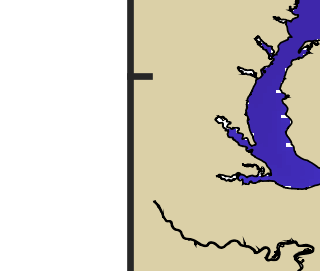
 Low
Low
NOAA Potomac River jellyfish map for today, Stafford County
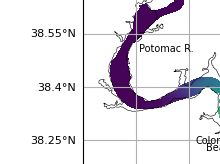
 Low
Low
Recent Trend at Aquia Landing Park
Jellyfish chances are about the same as yesterday (1%). Over the past week, jellyfish have mostly stayed away from this area.
Aquia Landing Park Jellyfish Conditions
Aquia Landing Park looks light today, with about a 1% chance of encountering stinging jellyfish.
Aquia Landing Park has nearly a quarter-mile of sandy Potomac River beach at the eastern edge of Stafford County, at 2846 Brooke Road. It sits in a wooded, marshy setting about 15 miles from the county courthouse and is open year-round. County-listed amenities include a restroom, three picnic pavilions, two horseshoe pits, and the beach itself, with volleyball available by request.
It's a simple, pleasant beach-and-picnic spot rather than a big developed park, so bring what you need and stick to the public areas. There's no listed lifeguard service, so keep a close watch on children near the river.
The water is the tidal Potomac. Check today's reading above before you get in, and look for any posted notices at the park.
Before you swim, look at the flags. Lifeguards fly a purple flag when dangerous marine life, including jellyfish, has actually been spotted, and that beats any forecast. If the flag and this page disagree, trust the flag.
About Potomac River jellyfish
The lower Potomac around the Northern Neck sees summer sea nettles where the water is saltier near the bay. Upriver toward Alexandria and Washington the water is usually too fresh for many nettles. Colonial Beach and other lower-river spots are the ones to watch in mid to late summer.
Nearby Jellyfish Reports
If you are deciding where to go, these nearby Virginia reports are worth checking too.
Beach Bag Sting Kit
A few simple items make a jellyfish sting easier to handle and less likely in the first place. We haven't lab-tested these ourselves — these are the picks that came out on top when we compared reviews, reputations, and Amazon track records. Here is what we suggest keeping in the beach bag during sea nettle season.
-
Sting relief gel
After Bite Xtra is the pharmacist-recommended favorite in sting-treatment roundups, with a gentle diphenhydramine formula for the burn and itch once you are out of the water.
Buy the After Bite Xtra on Amazon -
Small vinegar bottle
There's no jellyfish-specific vinegar bottle out there, so we like a small leak-proof silicone travel bottle (humangear GoToob+) you fill yourself — handy for beaches where local guidance calls for vinegar, though it's not a clear win for bay sea nettles.
Buy the GoToob+ bottle on Amazon -
Rash guard
O'Neill's Basic Skins UPF 50+ long-sleeve is the name that keeps coming up as the reliable no-frills pick for covering skin that sea nettles would otherwise reach — just size up, reviewers say it runs a little small.
Buy the O'Neill Basic Skins rash guard on Amazon Browse more rash guards -
Water shoes
The Speedo Tidal Cruiser is the well-reviewed, widely available pick for keeping feet protected from stings and shells in shallow water. (Speedo discontinued the older Surfwalker Pro 3.0, so this is its current equivalent.)
Buy the Speedo Tidal Cruiser on Amazon Browse more water shoes -
Tweezers and first-aid kit
The Coleman All-Purpose Mini First Aid Kit is a genuine Amazon best-seller with metal tweezers included, small enough to live in a beach bag year-round.
Buy the Coleman mini first-aid kit on Amazon -
Reef-safe sunscreen
Badger's Sport Mineral Sunscreen SPF 40 is a repeat top pick in reef-safe roundups — a simple, non-nano zinc formula with no oxybenzone or octinoxate.
Buy the Badger mineral sunscreen on Amazon -
Waterproof phone pouch
The Hiearcool 2-pack is an Amazon best-seller for a reason — tens of thousands of ratings at 4.6 stars for an IPX8 pouch that still lets you use your touchscreen at the water's edge.
Buy the Hiearcool phone pouch on Amazon -
Beach umbrella
The Sport-Brella Super-Brella is the recurring 'best overall' pick in shade-umbrella roundups, with vents, stakes, and tethers included to help it hold up in a stiff bay breeze.
Buy the Sport-Brella canopy on Amazon
As an Amazon Associate I earn from qualifying purchases. This site may earn a commission from qualifying purchases made through these links, at no extra cost to you.
Aquia Landing Park Jellyfish FAQ
Are there jellyfish at Aquia Landing Park today?
Aquia Landing Park currently shows light jellyfish conditions, a 1% chance of encountering stinging jellyfish.
Where is Aquia Landing Park?
Aquia Landing Park is on Potomac River in Stafford County. Year-round public park with nearly a quarter-mile of recreational Potomac River beach at the mouth of Aquia Creek. Official info.
What if I get stung at Aquia Landing Park?
Rinse the area with seawater, remove any tentacles, and use heat for the pain. See the full jellyfish sting first aid guide for step-by-step care and when to seek emergency help.
How big is the beach at Aquia Landing?
Nearly a quarter-mile of sandy Potomac River beach. The park is open year-round.
Are there lifeguards at Aquia Landing Park?
There's no listed lifeguard service, so plan to watch children closely and follow any posted signs.
Source maps are model guidance from VIMS and NOAA/NCCOS. They are useful for a quick beach check, but they do not count jellyfish in the water and may not match conditions at every shoreline. Always check conditions when you arrive: posted lifeguard flags beat any forecast, and a purple flag means dangerous marine life has actually been seen, whatever the model says.